Why Are You Still Guessing About Your Driving When Your Car Can Tell You the Truth?
We’ve all had that moment—white-knuckling the wheel, realizing we’ve been tailgating without meaning to, or speeding through a school zone. Driving is personal, but how we drive affects everyone around us. What if your car could gently coach you, not judge you? Not with cold alerts, but with understanding—like a friend who wants you safer, calmer, and more in control? It’s not about perfection. It’s about progress. And today, the technology inside your car or even your phone can help you become the kind of driver you’ve always wanted to be—more aware, less stressed, and fully present behind the wheel.
The Unseen Patterns in Everyday Driving
Think about your last drive. Were you rushing to drop the kids at school, already mentally ticking through your to-do list? Maybe you were headed to the grocery store, glancing at a text message while stopped at a red light. Most of us drive on autopilot, especially when the route feels familiar. But here’s the thing: our habits—those small, repeated actions—add up in ways we don’t always notice. That sudden brake when someone cuts you off? It’s not just a reflex. It’s a reaction shaped by stress, distraction, or fatigue. And over time, these micro-moments can affect more than just your safety. They impact your fuel efficiency, your car’s wear and tear, and even your mood by the time you reach your destination.
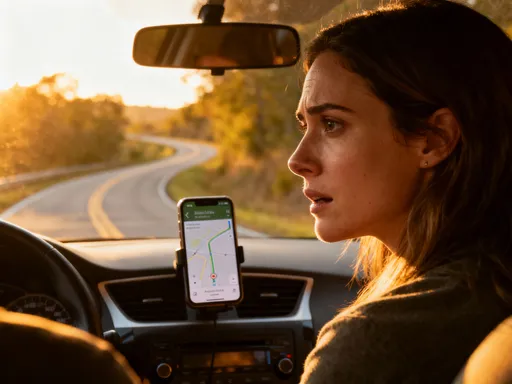
Take Sarah, a mom of two from Ohio. She used to think she was a perfectly fine driver—until she started using a simple app that gave her gentle feedback on her driving style. She was shocked to learn how often she accelerated too quickly after stoplights. “I didn’t even realize I was doing it,” she told me. “I thought I was just being efficient. But really, I was just tense.” Sound familiar? Many of us carry daily stress into the driver’s seat without even knowing it. The weight of work deadlines, household responsibilities, or family worries can turn a calm commute into a series of jerky movements and sharp turns. And while we might not notice, our passengers do—especially children, who absorb the emotional tone of a car ride just as much as the destination.
What’s powerful—and a little humbling—is realizing that driving isn’t just about getting from point A to point B. It’s a reflection of how we show up in life. Are we rushing? Reacting? Or are we present, patient, and in control? The good news is, we don’t have to guess anymore. With the right tools, we can start seeing the invisible patterns that shape our drives—and begin changing them, one mindful mile at a time.
How Technology Quietly Watches—And Helps
Now, before you roll your eyes and think, “Great, another thing judging me,” let me reassure you—this isn’t about surveillance or shaming. Think of it more like having a fitness tracker, but for your driving. Just as your smartwatch might notice when you’ve been sitting too long or your heart rate spikes during a stressful meeting, modern driving tools observe your habits with quiet care, not criticism. They’re not there to catch you doing something wrong. They’re there to help you do more of what’s right.
Most newer cars come equipped with sensors that monitor things like speed, braking force, steering smoothness, and even lane positioning. Some apps, when connected to your phone’s GPS and motion sensors, can offer similar insights—no fancy car required. These systems use smart algorithms to detect patterns. For example, if you tend to brake hard when approaching intersections, the system might notice that over time. But instead of blaring a warning, it might later offer a gentle summary: “You braked smoothly 70% of the time this week. Great job staying calm in traffic.” It’s feedback that feels supportive, not scolding.
And here’s where it gets personal: some tools are starting to recognize emotional cues. While they won’t read your mind, they can pick up on physical signs of stress—like rapid acceleration or frequent lane changes—and offer a kind nudge. Imagine your car saying, “You’ve been driving a little faster than usual today. Maybe take a deep breath?” It’s not a robot boss. It’s more like a co-pilot who knows you’re human and just wants you to arrive safely, with your peace of mind intact. The technology isn’t cold or robotic—it’s designed to be warm, intuitive, and human-centered. And the best part? You’re always in control. You choose what feedback you want, how often you get it, and whether to act on it. No pressure. Just possibility.
Turning Data Into Better Habits
Let’s be honest—numbers on a screen don’t mean much unless they tell a story. A dashboard showing “harsh braking events: 3” might make you feel defensive. But what if it said, “You’ve reduced harsh braking by 25% this month—your stops are smoother and safer”? That’s not just data. That’s progress. And that’s what turns information into motivation.
One of the most powerful features of modern driving tools is the weekly or monthly summary. These aren’t dry reports. They’re designed to feel encouraging, like a note from a supportive coach. “This week, you drove 10% more efficiently—great job easing into stops!” or “You stayed within the speed limit on 92% of your trips. Consistency pays off.” These small wins build confidence. And over time, they reshape habits. It’s the same psychology that makes fitness apps work—when we see improvement, we’re more likely to keep going.
Take James, a father of three in Texas, who started using a driving app after a minor fender bender. “I wasn’t a bad driver,” he said. “But I was always in a hurry. The app showed me how often I was speeding in residential areas—places where kids play. That hit me hard.” Over the next few months, he focused on one goal: smoother acceleration. Each week, he’d check his progress. “It became a little game,” he admitted. “Could I beat last week’s score?” And slowly, his driving changed. Not because he was forced to, but because he could see the difference he was making. That’s the magic of feedback done right—it turns abstract goals into tangible results.
And here’s the thing: these tools don’t expect perfection. They celebrate effort. They know you’re juggling a lot. A bad day doesn’t erase your progress. The system doesn’t punish you for one rushed drive. It simply helps you return to your intention the next time you turn the key. That’s what makes it sustainable. It’s not about being flawless. It’s about being aware—and choosing, again and again, to do a little better.
Strengthening Relationships Behind the Wheel
Driving isn’t just a solo act. For many of us, it’s a shared experience—carpooling with a partner, shuttling kids to activities, or taking long family road trips. And let’s be real: cars can be pressure cookers. Ever been on a vacation drive where silence fills the car after a tense moment? Or heard a backseat comment like, “Could you slow down a little?” that felt more like a critique than a suggestion? These moments happen. But what if technology could help ease the tension instead of adding to it?
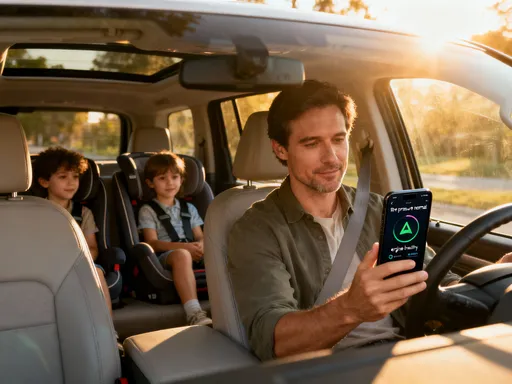
Some driving tools now allow families to share insights—not to monitor each other, but to understand and support. Imagine this: your partner sees a summary that shows you had a particularly stressful drive yesterday—more abrupt stops, higher speeds. Instead of saying, “You were driving like a maniac,” they might say, “Hey, I saw your drive was rough yesterday. Want me to take over today?” That small shift—from judgment to empathy—can change the whole dynamic in a relationship.
For couples who split driving duties, these tools can also help balance the load. One partner might naturally drive more smoothly or efficiently. Instead of making that a point of comparison, they can use the data to coach each other. “I noticed you were braking a lot on your commute—have you tried leaving five minutes earlier to avoid the worst of traffic?” It’s not about who’s better. It’s about growing together. And for parents, it’s a chance to model mindful driving for kids. When your teenager sees you reviewing your own driving habits, it sends a message: “We’re all learning. We all improve.”
The car becomes less of a battleground and more of a space for connection. Technology, in this case, isn’t replacing conversation. It’s making space for better ones. It gives you a shared language to talk about stress, patience, and care—without pointing fingers. And in a world where so many of our interactions happen through screens, it’s refreshing to have a tool that helps us show up more fully for the people right beside us.
Peace of Mind for Families and Caregivers
If you’re a parent with a teen driver, or an adult caring for an aging parent, you know the weight of worry that comes with handing over the keys. It’s not just about rules or responsibility. It’s about love. You want the people you care about to be safe. And while you can’t ride with them every time, you don’t have to be completely in the dark.
Modern driving tools offer a middle ground between hovering and helplessness. They’re not about spying. They’re about reassurance. For parents, seeing that your teen has completed a drive without speeding or harsh braking can be a huge relief. It’s not about catching mistakes. It’s about seeing growth. One mom in Colorado told me, “When I saw my daughter’s first ‘smooth driving’ badge, I cried. Not because she was perfect, but because she was trying. And the app helped her see it too.”
For adult children caring for aging parents, these tools can be equally comforting. As we age, reaction times can slow, and health conditions may affect driving ability. Instead of having a difficult conversation based on fear or assumptions, families can look at data together. “I noticed your trips have been shorter lately—everything okay?” or “The system shows you’ve been stopping more smoothly—great job!” It turns a potentially emotional conversation into a collaborative one. And for the driver, it’s not about losing independence. It’s about driving with confidence and support.
The beauty of these tools is that they don’t replace trust. They build it. They allow families to stay connected, not through constant calls or check-ins, but through shared awareness. And in moments of uncertainty, that awareness brings calm. You’re not guessing anymore. You’re knowing. And sometimes, knowing is the greatest gift we can give each other.
Making Growth Accessible—No Tech Expertise Needed
I know what you might be thinking: “This all sounds great, but I’m not exactly tech-savvy. Is this going to take hours to set up? Do I need to read a manual?” I hear you. Technology should work for you, not the other way around. The good news? These tools are designed with real life in mind—especially for people who don’t have time to troubleshoot apps or decode settings.
Getting started is usually as simple as downloading an app and connecting it to your phone or car. Many vehicles now come with built-in driving feedback systems—sometimes under names like “Driver Assist” or “Eco Driving Mode.” You might already have it and not even know it. Just check your car’s menu settings. If you’re using an app, the setup often takes less than five minutes. Open the app, allow location and motion access, and start driving. That’s it. No cables, no complicated pairing—just drive, and the app learns your habits over time.
The interface is designed to be intuitive. Think of it like your weather app—simple icons, clear colors, easy-to-read summaries. You don’t need to understand how GPS triangulation works to know it’s going to rain. Same here. You don’t need to know how algorithms detect harsh braking to benefit from the feedback. And most apps let you customize what you see. Want to focus on fuel efficiency? Turn that up. More interested in safety? Prioritize braking and speed insights. You’re in charge.
And if you ever feel stuck, most tools come with friendly customer support or in-app guides. No jargon. No frustration. Just clear, step-by-step help. This isn’t technology for engineers. It’s for parents, caregivers, commuters, and anyone who wants to feel a little more in control behind the wheel. It’s designed to fit into your life, not complicate it.
Driving Toward a Calmer, Smarter Future
At its best, technology doesn’t just make us safer—it helps us grow. Every time you choose to slow down, to brake gently, to stay aware, you’re not just improving your driving. You’re practicing mindfulness. You’re choosing presence over autopilot. And that mindset doesn’t stay in the car. It spills over into how you show up at work, at home, in your relationships.
Driving has always been about freedom. But now, it can also be about self-awareness. About care. About becoming the kind of person who doesn’t just react to life, but responds to it—with intention, with calm, with wisdom. The tools we’ve talked about aren’t just about data or scores. They’re about values. They remind us that how we drive matters—not just for our own safety, but for the people around us, the environment, and our own well-being.
So the next time you turn the key, ask yourself: What kind of driver do I want to be today? Not perfect. Not flawless. But aware. Kind. In control. Let your car be more than a machine. Let it be a mirror. Let it be a guide. Let it help you drive not just to your destination, but toward the kind of life you want to live—one mindful mile at a time.