From Overwhelmed to in Control: How Email Tools Quietly Transformed My Daily Routine
Ever feel like your inbox owns you? I used to dread opening my email—each notification pulled me from cooking dinner, interrupted bedtime stories, or stole focus during work. It wasn’t just clutter; it was stress. Then I discovered simple email tools not for tech lovers, but for real life. They didn’t just organize messages—they gave me back time, calm, and space to breathe. This isn’t about inbox zero. It’s about peace. And it started with one small change.
The Breaking Point: When Emails Took Over My Life
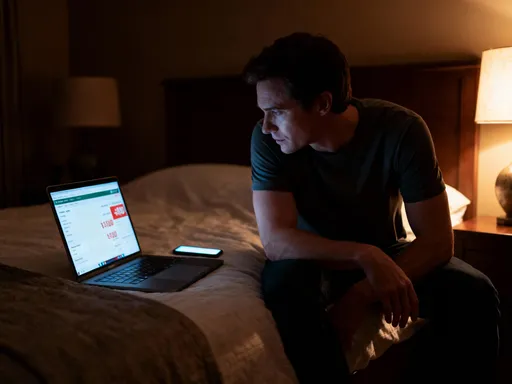
There was a night, not long ago, when I stood in the kitchen stirring pasta with one hand and holding my phone with the other. My two-year-old was tugging at my jeans, asking for juice, and my inbox had just pinged—again. It was the fifth work email since dinner started. I felt my shoulders tighten. I knew I should respond, but I also knew if I did, I’d miss the only quiet moment I’d have with my daughter before bedtime. That night wasn’t an exception. It was the pattern. Email had quietly become the background noise of my life, a constant tug on my attention that left me feeling stretched thin and emotionally drained.
I wasn’t managing my inbox. My inbox was managing me. Every buzz pulled me out of the present moment—whether I was helping with homework, folding laundry, or trying to relax with a book. I started noticing how often I reached for my phone without even thinking. It was automatic. And the guilt followed quickly. Guilt for not being fully present. Guilt for letting work bleed into family time. I’d promised myself I’d be more present, but how could I when my phone kept whispering, “You’re needed”?
What surprised me most was how much it affected my confidence. I began to feel like I was always behind—like I couldn’t keep up no matter how hard I tried. The mental load of remembering who I hadn’t replied to, what I might have missed, or when I needed to follow up was exhausting. I wasn’t just busy. I was overwhelmed. And I realized then that this wasn’t just about time. It was about peace of mind. I wanted to feel in control again. I wanted to stop reacting and start choosing. That’s when I knew something had to change.
Discovering Tools Designed for Real Life, Not Just Work
I started looking for help, but most of what I found felt like it was built for someone else—someone in a corner office, not a kitchen with spilled milk and sticky countertops. I tried a few apps, but they were either too complicated or made me feel like I had to become someone I wasn’t—ultra-organized, always on, perfectly efficient. That wasn’t me. I didn’t want to become a productivity robot. I just wanted to feel calmer, more grounded, more like myself.
Then I stumbled on email tools that felt different. They weren’t flashy or full of jargon. They were simple. Thoughtful. Designed not for speed, but for sanity. One tool, in particular, stood out because it learned how I used email—gently. It started noticing which messages I opened first, which ones I ignored, and even when I tended to check my inbox. Over time, it began sorting things automatically, not based on algorithms I didn’t understand, but based on my actual habits. It was like having a quiet assistant who knew when to speak up and when to stay silent.
What made these tools work for me was that they respected my rhythm. They didn’t demand perfection. They didn’t punish me for missing a message or leaving something unread. Instead, they created space. They helped me stop feeling guilty about not answering right away. I began to see email not as an emergency, but as a conversation—one I could step into when I was ready. That shift in mindset was powerful. It wasn’t just about managing messages. It was about reclaiming my time and attention on my own terms.
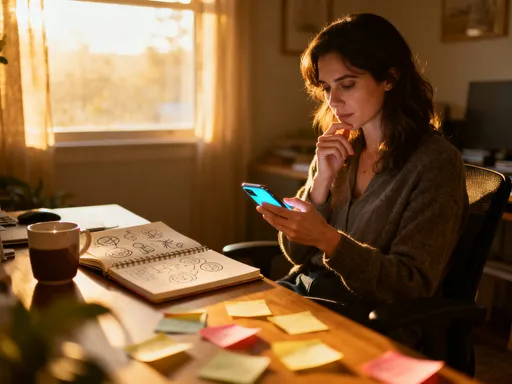
I remember the first morning I didn’t open my inbox the second I woke up. I made coffee. I sat with my son while he ate his toast. And when I finally checked email—calmly, intentionally—I realized something amazing: nothing had exploded. The world hadn’t fallen apart. The urgent things were still marked urgent. The rest could wait. That small win gave me hope. Maybe I didn’t have to live in constant reaction mode. Maybe I could design a digital life that served me, not the other way around.
How Smart Filtering Brought Calm to My Mornings
Mornings used to be my most chaotic time. I’d wake up, grab my phone, and dive straight into my inbox before my feet even hit the floor. It was like starting the day already behind. I’d scroll through overnight messages—client updates, newsletters, reminders—feeling the weight of everything before I’d even brushed my teeth. By the time I got the kids ready for school, I was already mentally exhausted.
Now, my mornings look different. When I open my email, it’s already sorted. Urgent messages from people I care about sit at the top. Newsletters, promotional emails, and automated updates are tucked into separate tabs or folders. I don’t have to search for what matters. It finds me. This small change didn’t just save me time—it changed my energy. I start the day feeling focused, not frantic.
The tool I use learns what’s important to me. If I consistently open emails from my sister first, it starts prioritizing her messages. If I ignore certain newsletters after a few weeks, it gently moves them out of sight. It’s not perfect, but it’s getting better all the time. And the best part? I don’t have to think about it. The system works quietly in the background, so I can focus on what really matters—getting my kids dressed, packing lunches, sharing a real conversation over breakfast.
I’ve also turned off notifications. No more pings pulling me out of the moment. I check email on my schedule, not someone else’s. Sometimes that’s twice a day. Sometimes it’s once. And you know what? People still get their replies. Relationships don’t fall apart. In fact, they’ve gotten stronger because I’m more present when we do connect. I’m not half-listening while typing a quick response. I’m actually there. That’s the real gift of smart filtering—it doesn’t just organize email. It protects your attention.
Scheduling Emails to Protect Family Time
One of the most powerful tools I’ve adopted is the “send later” feature. It sounds simple, but it’s been life-changing. There was a time when I’d stay up late answering work emails, telling myself I was being responsible. But really, I was stealing time from my family and my rest. I’d write a quick reply at 9 p.m., hit send, and think, “Done.” But the cost was high. I missed bedtime stories. I was tired the next day. And my kids noticed.
Now, I write that same email at 8 p.m., but instead of sending it, I schedule it for 8 a.m. the next morning. The message still goes out. The client still gets it on time. But I get to stay at the dinner table. I get to help with homework. I get to tuck my daughter in without my phone in my hand. It’s a small shift, but it’s made a big difference in how I show up at home.
My daughter said something recently that stuck with me. “Mom, you’re not on your phone as much anymore.” That hit me right in the heart. I hadn’t realized how much she’d been watching. How much she’d been feeling the distance. Now, when we watch a movie together, my phone stays in another room. When we bake cookies, I’m not sneaking glances at my screen. I’m fully there. And that’s what she remembers—not the emails I sent, but the moments we shared.
Scheduling emails has also helped me set boundaries with work. I used to feel like I had to be available all the time. Now, I’m clear about my hours. I respond during the day, and I let the rest wait. My colleagues have adjusted. They’ve learned that I’m reliable, just not always immediate. And honestly? That’s okay. Work still gets done. Relationships still thrive. But now, my family gets the best version of me, not the leftover version.
Using Templates to Reduce Daily Decision Fatigue
Have you ever spent two minutes writing a reply that says, “Got it, thanks!”? I have. Too many times to count. I used to overthink even the simplest responses. Should I say “Thank you”? “Appreciate it”? “Sounds good”? It sounds silly, but those tiny decisions add up. By the end of the day, I was mentally drained from all the little choices I’d made—most of them unnecessary.
Then I discovered email templates. Not the stiff, robotic ones you might imagine. These are short, warm, and personal—phrases I actually use in real life. I created a few for common replies: “Thanks for sending this—I’ll look it over and get back to you,” or “I appreciate you thinking of me. Let me check my schedule and confirm.” I customized them to sound like me, so they never feel canned.
Now, instead of typing from scratch, I just pull up the template, tweak it if needed, and send. It saves me time, yes, but more importantly, it saves my energy. I’m not wasting mental space on wording a simple reply. That means I have more patience for the things that really matter—like listening when my son tells me about his day, or staying calm when the baby spills her milk for the tenth time.
One study found that the average person makes over 35,000 decisions a day. Many of them are small, but they wear us down. By automating the little things, I’ve freed up space in my brain for the big things—like planning a weekend trip, cooking a new recipe, or just being still. Templates didn’t make me colder or less personal. They made me more present. Because now, when I do write a long, thoughtful email, I’m doing it because I want to, not because I’m too tired to use a shortcut.
Integrating Email Tools with Personal Goals (Like Better Eating)
Here’s something I never expected: getting control of my inbox helped me eat better. It sounds unrelated, but it’s true. When my mind was cluttered with unread messages and unanswered requests, I had no mental room to plan meals. I’d end up grabbing whatever was easy—frozen meals, takeout, snacks. Not because I didn’t care about health, but because I was too overwhelmed to think ahead.
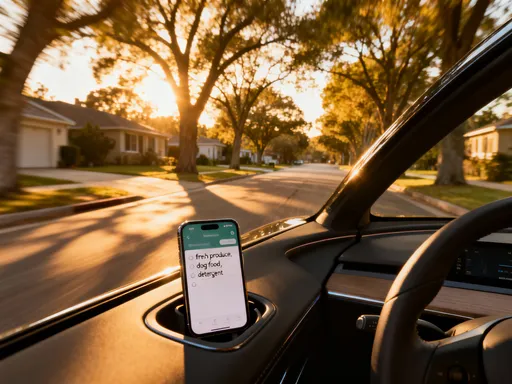
Once my email was under control, I noticed something shift. My mind felt clearer. I had space to breathe. And in that space, I started remembering the things I cared about—like cooking real meals, drinking more water, moving my body. I even started using email reminders linked to my calendar. On Sunday nights, I get a gentle nudge: “Prep veggies for the week.” It’s not a demand. It’s a kind suggestion from my future self.
I also use filters to keep health-related emails visible—like my gym schedule, nutrition tips from a trusted newsletter, or recipes I’ve saved. Instead of losing them in the noise, they’re easy to find when I need them. One week, I planned all my dinners on Sunday afternoon while my daughter napped. I felt proud. Not because I was “productive,” but because I was taking care of us.
This isn’t about perfection. Some nights, we still order pizza. But now, it’s a choice, not a default. I’m not running on empty. I’m making room for what matters—good food, family time, self-care. And it all started with a quieter inbox. When your mind isn’t racing, you remember to care for your body. You remember that health isn’t just what you eat. It’s how you live. And living well starts with peace, not pressure.
A New Mindset: Technology as a Quiet Support, Not a Demand
The biggest change hasn’t been in my inbox. It’s been in how I see technology. I used to think of it as something that demanded my attention—always buzzing, always pulling. Now, I see it as a tool I can shape to support my life, not disrupt it. I’m in charge. I decide when to engage. I decide what stays, what goes, and what can wait.
This shift didn’t happen overnight. It took practice. It took letting go of the idea that I had to respond immediately. It took trusting that the important things would still be there when I was ready. But now, I feel more grounded. More like myself. I’m not chasing my inbox. I’m living my life.
What I’ve learned is that productivity isn’t about doing more. It’s about creating space—to breathe, to connect, to be present. The tools helped, yes, but the real work was internal. It was about remembering what matters most: my family, my health, my peace. Technology, when used mindfully, can protect those things. It can give us back the moments we thought we’d lost.
So if you’re feeling overwhelmed, I want you to know—you’re not alone. And you don’t have to accept the chaos as normal. Small changes can make a big difference. Try turning off notifications. Experiment with scheduling emails. Create a simple template. See how it feels to take back control. You might be surprised at how much calmer, clearer, and more connected you feel. Because peace isn’t found in a perfect inbox. It’s found in the quiet moments—the ones worth protecting.