From Overwhelmed to Effortless: How Energy-Saving Modes Gave Me My Evenings Back
Living through endless to-do lists, I used to dread evenings—always tired, never caught up. My devices drained power and my peace. But when I started using energy-saving modes mindfully, something shifted. Not just lower bills, but calmer routines, more family time, and a sense of control. This isn’t about tech for tech’s sake—it’s about reclaiming your time and energy, one smart setting at a time. If you’ve ever sat on the couch after a long day only to realize you’re still mentally at work, scrolling without purpose, or answering messages that could wait until tomorrow, you’re not alone. We’re all trying to do more, be more, give more—and somewhere along the way, our gadgets stopped serving us and started running us. But what if the same technology causing the chaos could actually help us find calm? That’s exactly what happened when I stopped fighting my phone’s low-power warning and started listening to it.
The Evening Burnout No One Talks About
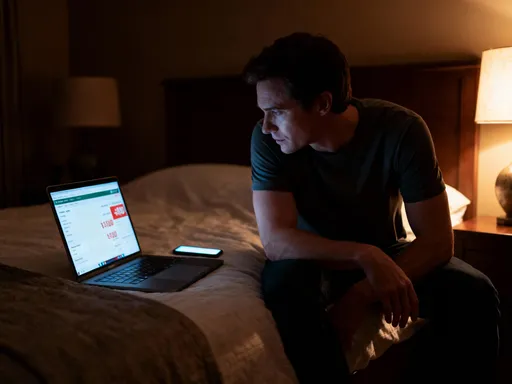
Let’s be honest—most of us don’t truly unwind when the sun goes down. Instead, we shift gears. Dishes need doing. Homework gets checked. Laundry piles grow. And through it all, our phones buzz, our tablets glow, and our laptops hum with unfinished tasks. I used to carry the weight of the day into the night like a backpack full of bricks. Even when I sat down, my mind stayed busy. I’d pick up my phone to ‘just check’ one thing, and suddenly an hour had passed. The screen brightness felt harsh against my tired eyes, but I couldn’t look away. My battery would die by 8 p.m., and so would my patience. I wasn’t just physically tired—I was emotionally drained, mentally scattered.
And here’s what I realized: burnout isn’t always from working too hard. Sometimes it’s from never truly stopping. Our devices, designed to help us stay connected and productive, were actually keeping me stuck in overdrive. Every notification was a tiny tug on my attention. Every app update, a silent demand. I wasn’t using my gadgets—I was being used by them. The irony? I bought these tools to save time, but they were stealing my peace. It wasn’t until I started paying attention to how my devices behaved—and how I behaved around them—that I saw a way out. The solution didn’t come from deleting apps or going on a digital detox. It came from a simple setting I’d ignored for years: energy-saving mode.
Discovering the Hidden Power of a Simple Switch
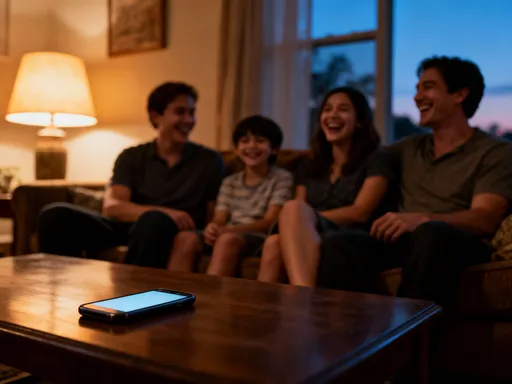
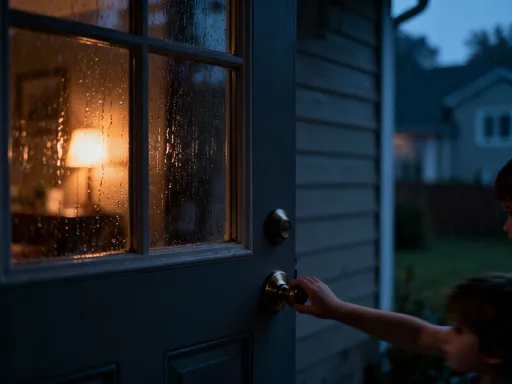
It happened by accident. One evening, my phone automatically switched to energy-saving mode because the battery dipped below 20%. Normally, I’d panic and scramble for a charger, annoyed that my phone was ‘slowing down.’ But that night, I didn’t have a charger nearby, so I had no choice but to go with it. And something surprising happened. The screen dimmed slightly. Notifications stopped popping up. The background apps paused. The whole experience felt… quieter. Calmer. Instead of being bombarded by alerts, I could actually hear the sound of my daughter laughing in the next room. I noticed the warmth of the lamp beside me. I felt present in a way I hadn’t in weeks.
That moment sparked a question: what if this mode wasn’t just about stretching battery life? What if it was also about stretching my mental space? I started to see energy-saving mode not as a limitation, but as a kind of digital pause button. It wasn’t slowing me down—it was helping me slow down. The reduced brightness felt gentler on my eyes. The lack of constant pings gave my brain a break. I wasn’t losing connection; I was gaining clarity. From that night on, I stopped seeing low battery as a problem and started seeing it as a cue. A gentle reminder that it might be time to step back, breathe, and just be. And the best part? I didn’t have to wait for my phone to die to get that feeling. I could turn on energy-saving mode anytime—on purpose.
How Energy-Saving Mode Became My Workday Ally
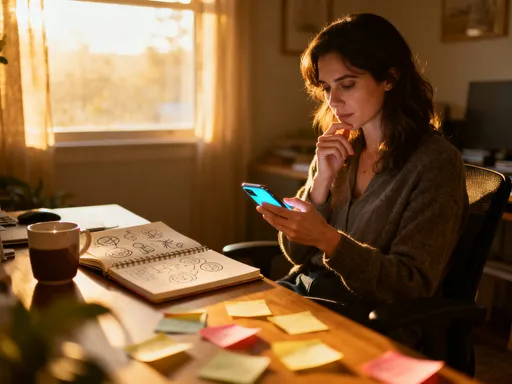
I decided to test this idea during the workday. I set my laptop and phone to activate energy-saving mode during my two-hour focus blocks in the morning. At first, I worried it would slow things down—fewer background processes, reduced screen brightness, limited connectivity. But the opposite happened. With fewer apps running in the background, my laptop ran cooler and lasted longer. More importantly, I stayed on task. Without constant email alerts or social media nudges, I could actually write, think, and plan without interruption. It was like having a quiet office in the middle of a busy house.
My daughter used to knock on my door during work hours, asking, ‘Mom, are you busy?’ And I’d say yes, even if I was just scrolling through news feeds. Now, when energy-saving mode is on, I can honestly say, ‘Yes, I’m focusing—can we talk in 45 minutes?’ And I mean it. The mode became a signal—to myself and my family—that this time was protected. I wasn’t just saving battery; I was saving my attention. And that made me more efficient, not less. I finished tasks faster because I wasn’t switching between five windows every few minutes. My work improved, my stress dropped, and I stopped needing that afternoon coffee crash fix. The technology didn’t change—but how I used it did. And that made all the difference.
Tracking Progress: Seeing What Actually Matters
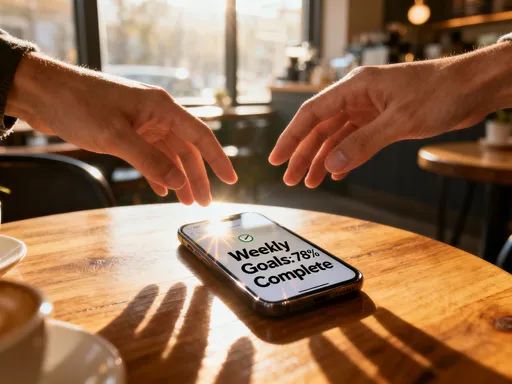
One of the most eye-opening changes came when I started paying attention to the data my devices offered. Most smartphones and laptops now show not just battery usage, but also screen time and app activity. I began checking these reports weekly, almost like reviewing a personal journal. What I saw surprised me. On average, I was spending over three hours a day on my phone after 7 p.m.—mostly on social media, news sites, and email. And much of that time wasn’t intentional. I wasn’t connecting with loved ones or learning something new. I was just… scrolling. Reacting. Consuming.
So I made a simple rule: energy-saving mode would activate automatically at 7 p.m. every night. That didn’t mean I couldn’t use my phone—it just meant the experience changed. The screen turned slightly warmer, brightness lowered, and non-essential notifications were silenced. It wasn’t a lockdown; it was a soft boundary. And something shifted. I started noticing when I reached for my phone out of habit, not need. I’d open it, see the calmer interface, and ask myself: ‘Do I really need this right now?’ Often, the answer was no. Over time, my evening screen time dropped by nearly half. But more than that, I felt more in control. I wasn’t fighting my habits—I was redesigning my environment to support better ones. Seeing both my battery life and screen time improve gave me a quiet kind of pride. It wasn’t about perfection. It was about progress.
Calmer Evenings, Stronger Family Moments
The real magic happened at home. Before this change, dinner was often tense. I’d be half-listening to my kids while answering work emails. My partner would ask, ‘Are you even hearing us?’ And the truth was, I wasn’t. My body was at the table, but my mind was still in inbox mode. The devices were physically present, but they were pulling me away from the people who mattered most.
Once I committed to evening energy-saving mode, things shifted. The reduced brightness and muted alerts made it harder to sneak in ‘just one more email.’ Instead, I started noticing conversations. My son told me about his science project. My daughter showed me a drawing she’d made. We played board games. We talked about our days—really talked. One night, my youngest looked up and said, ‘Mom, your phone isn’t buzzing anymore. I like it.’ That hit me right in the heart. It wasn’t just about me feeling calmer—it was about my kids feeling seen, heard, and valued.
Even my partner noticed the difference. ‘You seem more present,’ he said. ‘Like you’re actually here.’ And I was. The devices hadn’t changed—but my relationship with them had. They were no longer the center of my attention. They were tools, not distractions. And that small shift in tech use created space for deeper connection, laughter, and quiet moments that I now cherish. I didn’t need to plan a big family event to strengthen our bond. I just needed to turn on a setting that helped me show up—fully.
A Smarter Routine, Not a Stricter One
I’ll be honest—I used to think self-control was about willpower. That if I wanted to use my phone less, I just had to ‘try harder.’ But that never worked long-term. The truth is, we’re not failing when we get distracted. Our environment is just working against us. Bright screens, endless notifications, autoplay videos—they’re all designed to keep us engaged, not at peace.
Energy-saving mode gave me a different path. Instead of fighting myself, I used technology to support my goals. I didn’t have to be perfect. I just had to set it up once, and let the system help me make better choices. It’s like putting healthy snacks on the counter and hiding the cookies. The right environment makes the right choice easier. Now, when I want to relax, I don’t feel guilty about using my tablet. I know it’s in a mode that supports calm, not chaos. The screen won’t stay on forever. The apps won’t keep calling me. I can enjoy a show, read an article, or listen to music—without falling into the endless scroll.
And here’s the beautiful part: this isn’t about giving up technology. It’s about using it with intention. I still text my friends, check the weather, use maps when I drive. But now, I do it on my terms. I’m not reacting to every alert. I’m choosing when and how to engage. That sense of control has spilled over into other areas of my life. I feel calmer. More focused. Less reactive. It’s not discipline—it’s design. And that makes all the difference.
Reclaiming Energy—For Your Home, Your Time, Your Self
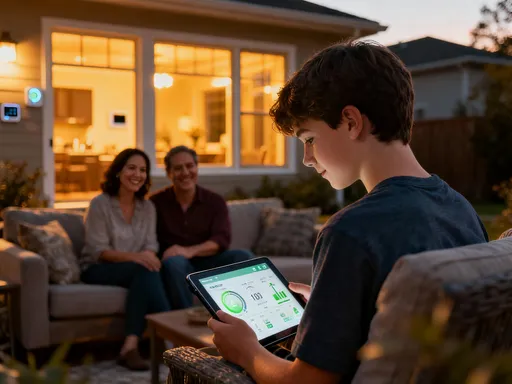
Looking back, I never thought a simple setting could change so much. Yes, my electricity bill went down. Yes, my phone lasts longer between charges. But the real wins are harder to measure. I sleep better because I’m not staring at a bright screen before bed. I’m more patient with my kids because I’m not mentally juggling work tasks. I feel more like myself—not the version of me that’s always ‘on,’ but the one who can be still, listen deeply, and enjoy the quiet moments.
This journey wasn’t about becoming a tech expert. It was about becoming more human in a digital world. Energy-saving mode didn’t just preserve battery—it preserved my energy, my attention, my peace. It taught me that technology doesn’t have to drain us. When used mindfully, it can actually help us recharge. It can create space for what matters—family, rest, joy, connection.
If you’re feeling overwhelmed, stretched thin, or just plain tired, I want you to know: you don’t have to do more. You don’t need a complicated system or a strict digital detox. Try this: tonight, turn on energy-saving mode an hour earlier than usual. Notice how it feels. See if the softer light helps your eyes relax. See if the quiet alerts help your mind slow down. See if you start to notice the people around you a little more. You might just find, like I did, that the smallest tech tweak can lead to the biggest emotional shift. Because sometimes, reclaiming your life doesn’t come from adding more—it comes from letting go. And your phone might just be the first place to start.