I didn’t realize I was wasting money—until we started sharing subscriptions with friends
We’ve all been there—scrolling through our bank statements, shocked by how much we’re spending on apps and services we barely use. What if you could keep the perks without the guilt? I discovered a smarter way: sharing subscriptions with close friends. It’s not just about cutting costs—it’s about reclaiming space in your budget and your life. This simple shift helped me feel more in control, more intentional, and honestly, a little closer to my friends. It wasn’t a grand revelation, just a quiet moment of clarity over cold coffee and an overdraft warning. But it changed how I see technology, money, and even friendship.
The Moment I Noticed the Leak: A Wake-Up Call About Hidden Costs
It happened on a rainy Sunday morning. My kids were building forts out of couch cushions, my husband was flipping pancakes, and I was doing what so many of us do—checking my phone while pretending to be present. I opened my banking app to transfer grocery money and froze. There it was: $18.99 to a meditation app I hadn’t opened since last spring. Below it, $14.99 for a meal-planning service I used exactly twice. And then, another $9.99 for a fashion styling subscription I thought had expired. My breath caught. These weren’t big numbers on their own, but together? They added up to more than my weekly grocery run.
I felt a mix of disbelief and embarrassment. How had I let this happen? I wasn’t careless with money. I budgeted, I clipped digital coupons, I comparison-shopped for diapers. But these digital subscriptions—they were invisible. They didn’t come in the mail. No one knocked on my door. They just… showed up, quietly charging my card every month like quiet little thieves. I remembered signing up for most of them during free trials, thinking, Oh, this might be nice, and then forgetting to cancel. Others I’d signed up for with good intentions—like getting fitter or more organized—but life got busy, and I moved on.
What hit me hardest wasn’t the money, though. It was the feeling of being out of control. Each forgotten subscription was like a tiny commitment I’d made and broken with myself. It wasn’t just about overspending. It was about losing touch with my own choices. I realized I had built a digital life full of promises I wasn’t keeping—to myself. That moment sparked something. I didn’t want to just fix my budget. I wanted to fix my relationship with technology. I wanted to feel like I was choosing, not just reacting.
From Overwhelm to Clarity: How Subscription Management Tools Came In
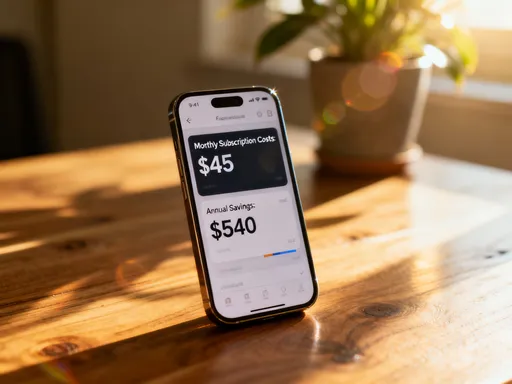
The next day, I did something I’d been putting off for years: I searched for a way to see all my subscriptions in one place. I expected something complicated, full of charts and tech jargon. Instead, I found a simple app—free, easy to link to my bank account, and shockingly honest. Within minutes, it pulled together every recurring charge I was paying. There it all was, laid out in clean rows: streaming, fitness, shopping, learning, even a language app I’d tried to learn during a vacation that never happened.
Seeing it all in one place was both terrifying and freeing. The app didn’t scold me. It didn’t make me feel dumb. It just showed me the truth. And that clarity was powerful. I started grouping them: things I used daily, things I used occasionally, and things I’d completely forgotten. I canceled five right away—no guilt, no drama. Just a few taps, and they were gone. The relief was instant, like taking off a heavy coat I hadn’t realized I was wearing.
But here’s what surprised me: the tool didn’t just help me cut costs. It helped me think. I started asking myself, Does this add value to my life? Not, Can I afford it?—but Do I want it? That shift changed everything. I realized I didn’t hate subscriptions. I hated the ones I wasn’t using. The ones that felt like clutter. And that’s when I started thinking about sharing. What if I could keep the services I loved—but at a fraction of the cost? What if technology could help me connect, not just consume?
The Friend Group Hack: Sharing Without the Awkwardness
I brought it up during our monthly brunch—me and three friends who’ve known each other since our kids were in preschool. We were talking about rising prices, as we always do, and I said, What if we shared some of our subscriptions? Like, split the cost of a music app or a streaming service? I braced for awkward silence. Instead, they all lit up. Wait, we can do that? Sarah asked. I pay for that same meditation app you canceled! Lisa said. It turned out we were all feeling the same pressure, the same guilt, the same clutter.
We started small. Just two of us—me and Lisa—shared a premium music app. We used a shared note on our phones to track who paid each month, switching back and forth. No contracts, no drama. Just a text: My turn this month? or I got it, no worries. It felt easy. Then Sarah joined for a family-friendly streaming service. We each paid a third. We set up a reminder on our phones to rotate payments, and suddenly, we were saving 66 percent on something we all loved. It wasn’t just about the money. It was about doing it together.
What made it work wasn’t just the savings—it was the trust. We didn’t share with ten people or strangers online. Just a small, tight-knit group. We respected each other’s time and boundaries. If someone forgot to pay, no big deal—we just adjusted the next month. The technology made it fair, but the friendship made it meaningful. We weren’t just splitting costs. We were sharing a piece of our lives. And honestly? It brought us closer. We’d text each other about shows we watched or songs we discovered. It became part of our rhythm.
Personal Space, Digital Order: How Less Clutter Brings More Peace
As we streamlined our subscriptions, I noticed something unexpected: I felt lighter. Not just financially, but emotionally. Every unused app, every forgotten trial, had been a tiny weight on my mind. Like a drawer full of old receipts and broken chargers—out of sight, but not out of mind. Cleaning it out felt like spring cleaning for my brain. I wasn’t just saving money. I was creating space—mental space, emotional space, even digital space.
I started applying that same mindset to other areas. I unsubscribed from marketing emails. I deleted apps I didn’t use. I turned off notifications that didn’t serve me. Each small action gave me back a little control. And that control felt powerful. I realized I didn’t need to be constantly optimizing or upgrading. I just needed to be intentional. Technology wasn’t the problem. It was how I was using it—or not using it.
The tools helped, but the real change came from within. I began to see my digital life as an extension of my values. Do I value connection? Then keep the apps that help me stay close to family. Do I value learning? Then invest in one course at a time, not ten I’ll never finish. Do I value peace? Then remove what adds noise. This wasn’t minimalism for the sake of looking neat. It was about making room for what truly mattered—time with my kids, quiet mornings, real conversations. The money I saved was nice, but the peace I gained? That was priceless.
Teaching Independence: Helping Friends Feel More in Control
One of the most beautiful side effects of this journey was watching my friends gain confidence. Lisa, who used to say, I’m just not good with tech, now proudly shows me how she canceled a subscription on her own. Sarah helped her sister set up a family plan for photo storage. We’ve become each other’s cheerleaders, sharing tips like, Did you know you can get a student discount even if you’re taking one online class? or Try this app—it reminds you when free trials end.
These small acts of support built something bigger: a sense of empowerment. We weren’t just saving money. We were learning, growing, and teaching each other. It reminded me of how we used to help each other with diaper changes and sleep schedules—just a different stage of life. Now, we help each other navigate digital overwhelm. And it feels just as important.
What I love most is that no one feels left behind. We go at our own pace. If someone doesn’t want to share a subscription, that’s fine. If someone wants to try something new, we cheer them on. The technology gives us tools, but the real magic is in the support. We’re not just managing subscriptions. We’re building resilience—one small win at a time.
Staying Fair, Staying Close: The Rules That Keep It Working
Sharing only works if it’s fair—and if it doesn’t strain relationships. That’s why we created simple rules. First: only share with people you trust. Not coworkers, not distant cousins, not online strangers. Just close friends or family. Second: keep it small. One or two shared services, max. Third: rotate payments. We use a shared calendar with reminders so no one forgets. Fourth: check in every three months. We have a quick chat—still over brunch—to see if anything needs adjusting.
We also respect boundaries. If someone’s going through a tight month, we don’t pressure them. We just shift the rotation. If someone wants to leave the group, no hard feelings. The goal isn’t perfection. It’s support. And the tools we use—simple apps, shared notes, calendar alerts—help us stay organized without adding stress. We’re not running a business. We’re helping each other live better.
This system works because it’s human-centered. The technology supports the relationship, not the other way around. We’re not tracking every penny like accountants. We’re being kind, flexible, and fair. And that’s what keeps us close. In a world that often feels transactional, this feels personal. It’s not just about splitting a bill. It’s about sharing a value—intentional living.
More Than Savings: A New Way to Live with Intention
What started as a way to save a few dollars turned into something much bigger. It changed how I see technology—not as something that drains me, but as something that can empower me. It changed how I see money—not as something to stress over, but as a tool to reflect my values. And it changed how I see friendship—not just as shared laughter, but as shared growth.
I’m not perfect. I still sign up for things I don’t use. But now, I catch it faster. I have tools, habits, and friends who help me stay on track. And that makes all the difference. This journey wasn’t about cutting back. It was about clearing space—so I could move forward with more clarity, more calm, and more connection.
If you’re feeling overwhelmed by your digital life, I get it. You’re not alone. But you don’t have to figure it out all at once. Start small. Download a subscription tracker. Look at one bill. Talk to one friend. You might be surprised how much relief comes from a simple conversation. Because the truth is, we don’t need more apps. We need more intention. We don’t need more stuff. We need more meaning. And sometimes, the most powerful technology isn’t on your phone. It’s the connection between you and someone who cares.