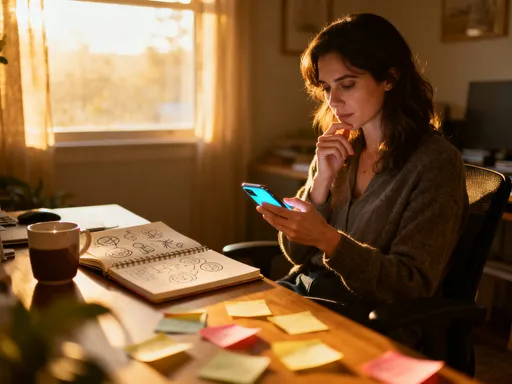
Tired of Wasting Your Weekend Catching Up on Sleep? This Tool Gave Me My Mornings Back
Ever wake up after a long weekend still feeling exhausted, wondering where your precious rest hours went? I used to spend Saturday and Sunday just trying to “recover” — until I started using a simple sleep tracker. It didn’t just show me how much I slept, but why my rest felt so off. Within one weekend, I gained back time, energy, and peace — all by understanding my sleep patterns without any effort. If you’ve ever felt like your weekends vanish into a fog of naps, late nights, and groggy mornings, you’re not alone. And the good news? A small shift — powered by everyday tech — can change everything.
The Weekend Sleep Trap We All Fall Into
Let’s be honest — most of us treat the weekend like a sleep bank. We deposit our exhaustion from Monday through Friday, then withdraw it Saturday morning with a heavy blanket and a dream of catching up. I was the queen of this cycle. My weekday alarm went off at 6:30 a.m., but come Saturday, I’d stay in bed until 10, 11, even noon, convinced I was healing my body. But here’s the truth I didn’t see back then: oversleeping isn’t healing. It’s confusing your brain.
Our bodies run on a natural rhythm called the circadian clock, and it loves consistency. When you shift your sleep schedule by three or four hours on weekends — or more — you create something experts call “social jetlag.” It’s like flying from New York to Los Angeles every Saturday morning without ever leaving your bedroom. You might not cross time zones, but your body feels the shift. I’d wake up on Saturday afternoon feeling like I’d just landed on another continent — disoriented, sluggish, and somehow more tired than when I went to bed.
And here’s what made it worse: I wasn’t even getting quality rest during those long weekend lie-ins. I thought eight or nine hours in bed meant eight or nine hours of sleep, but my body was restless, waking up multiple times, or stuck in light sleep. I was spending time in bed, but not truly recovering. The weekend, which was supposed to be my reset, was actually stealing my energy and shrinking my day. I’d lose the morning, rush through lunch, and by evening, I’d be too drained to enjoy anything. Sound familiar? I didn’t realize it then, but I wasn’t lazy — I was misaligned.
How a Sleep Monitor Revealed My Hidden Patterns
Everything changed when a friend handed me a small sleep tracking device — nothing medical, just a sleek band that goes around your wrist like a fitness watch. “Try it for a weekend,” she said. “It’ll show you what your sleep *really* looks like.” Skeptical but curious, I wore it for two nights. And what I saw surprised me so much, I nearly dropped my phone.
The tracker didn’t just say “8 hours in bed.” It broke down my night: 5 hours and 18 minutes of actual sleep, 47 minutes of light sleep, 22 minutes of restless movement, and three separate wake-ups — including one at 3:14 a.m. because I’d eaten a heavy pasta dish at 9:30 p.m. I had no idea. I thought I was sleeping through the night, but my body was fighting my habits. The tracker even showed that my heart rate stayed elevated for an hour after I turned off the TV — proof that scrolling through social media before bed wasn’t helping me wind down.
Seeing the data made it real. It wasn’t that I wasn’t trying — I just didn’t know what was really happening. That weekend, I learned more about my body in two nights than I had in years of guessing. The device didn’t judge me. It didn’t shame me for staying up late or sleeping in. It simply showed me the truth: my weekend “recovery” wasn’t working. I wasn’t lazy — I was misinformed. And with that awareness, I felt empowered. If I could see the problem, maybe I could fix it — not perfectly, but enough to make a difference.
Small Tweaks, Big Time Gains
Here’s what I love about this journey: it didn’t require a total lifestyle overhaul. I didn’t have to meditate for an hour, give up wine, or become a morning yoga enthusiast. Instead, I made three tiny changes — the kind anyone can try without feeling overwhelmed.
First, I moved dinner up by 45 minutes. Instead of eating at 8:30 or 9 p.m., I aimed for 7:45. That small shift gave my body more time to digest before bed, and within two nights, the tracker showed fewer midnight wake-ups. Second, I set a “screen curfew” — no phones, tablets, or TV an hour before bed. At first, it felt strange. I’d catch myself reaching for my phone out of habit, but I started reading instead. A novel, a magazine, even old recipes. That quiet time became something I looked forward to — a soft landing into sleep, not a frantic scroll into exhaustion.
The third change was the most powerful: I set a consistent wake-up time, even on weekends. No more sleeping until noon. I picked 8 a.m. — two hours earlier than my usual weekend wake-up — and stuck to it. The first morning was tough, yes. But by day three, something magical happened: I woke up *before* the alarm. Not groggy. Not dragging. Just… awake. My body had adjusted. And those extra two hours in the morning? They became mine — not for chores or rushing, but for me. I drank my coffee slowly. I wrote in my journal. I watched the sunrise. I felt like I’d been given a gift I didn’t know I’d lost.
Reclaiming Mornings: From Drained to in Control
Let me tell you what a reclaimed morning feels like. It’s not just about time — it’s about presence. On my old weekend cycle, I’d wake up late, skip breakfast, and feel too foggy to connect with my kids or enjoy a walk. I’d spend the day trying to “get back to zero,” emotionally and physically. But now? Saturday mornings feel different. I wake up with a sense of calm. I have space to breathe.
That extra time became sacred. I started reading books I’d been meaning to finish. I took walks in the neighborhood, noticing the flowers blooming and the neighbors waving. I planned small family outings — a picnic, a museum visit, a baking day with my daughter. And because I wasn’t playing catch-up, I actually enjoyed them. I wasn’t distracted by fatigue or anxiety about the week ahead. I was *there*.
The emotional shift was just as powerful as the physical one. I stopped feeling guilty about “wasting” my weekend. Instead, I felt proud — like I was making the most of my time. My mood improved. My patience with my family grew. I stopped snapping over small things. And when Sunday evening came, I wasn’t dreading Monday. I felt ready — not because I’d slept longer, but because I’d slept *better* and used my time more intentionally.
Making It Work for Real Life (Not a Perfect Routine)
I won’t pretend every weekend is flawless. Life happens. Last month, we had friends over for a movie night. We stayed up until midnight laughing and eating popcorn. The tracker showed I lost 40 minutes of deep sleep — but you know what? I didn’t beat myself up. Instead, the data helped me make a smarter choice the next day. I didn’t sleep in. I got up at 8, went for a short walk in the sunlight, and had a light, early lunch. By evening, I felt balanced again.
That’s the beauty of this tool — it’s not about perfection. It’s about awareness. It doesn’t scold you. It doesn’t demand a strict routine. It simply shows you the cost of your choices — not to make you feel bad, but to help you make better ones. Now, when I’m tempted to scroll late or skip my bedtime, I think, “What will my sleep look like tomorrow?” It’s not fear — it’s care. I’m not tracking sleep to be “perfect.” I’m doing it to feel good, to show up for my life, and to protect my energy.
And honestly, that shift in mindset has been everything. I used to see rest as something I owed my body after being “bad” — staying up late, eating late, working too much. Now, I see rest as something I give my body to help me be my best self. It’s not punishment. It’s preparation.
Why This Isn’t Just About Sleep — It’s About Time and Peace
The real transformation wasn’t just in my sleep quality — it was in how I experienced time. Before, my weekends felt short, rushed, and unproductive. I’d blink, and Sunday would be over. Now, I feel like I have more of it. Not because the clock changed, but because I stopped wasting my best hours.
Those early mornings became my sanctuary. I started journaling my goals, planning meals, or just sitting with my thoughts. I reconnected with hobbies I’d abandoned — painting, gardening, trying new recipes. I even started a small online course to learn photography. All of it happened in the quiet hours before the world woke up. And because I wasn’t fighting fatigue, I actually followed through.
But beyond the productivity, the biggest gift was peace. The constant low-level anxiety I used to carry — the feeling that I was always behind — began to fade. I stopped measuring my worth by how much I could do in a day. Instead, I started valuing how I *felt* in a day. Calm. Present. Connected. The sleep tracker didn’t add hours to my life, but it helped me stop losing them. And in a world that never slows down, that’s everything.
Starting Simple: How You Can Try This Too
If you’re thinking, “This sounds great, but I don’t want to become a sleep scientist,” I get it. You don’t have to. You don’t need an expensive device or a perfect schedule. Start small. Try a basic sleep tracker — many apps and wearable bands offer this feature for free or low cost. Wear it for one weekend. Don’t change anything yet. Just observe.
Look at your data with curiosity, not judgment. Did you really sleep through the night? Did your heart rate stay high? Did you wake up multiple times? Then, pick *one* small habit to adjust. Maybe it’s eating dinner 30 minutes earlier. Maybe it’s turning off screens by 9 p.m. Maybe it’s setting your alarm 30 minutes earlier on Saturday — just to see what happens.
The goal isn’t perfect sleep scores. It’s better mornings. It’s more energy. It’s feeling like you’re in control of your time, not chasing it. And when you start to see those changes — when you wake up without dread, when you enjoy your weekend instead of surviving it — you’ll realize something powerful: rest isn’t the enemy of productivity. It’s the foundation.
So if you’ve been giving your weekends to exhaustion, I want to invite you to try something different. Not because you’re failing, but because you deserve more. More calm. More joy. More time that feels like yours. That sleep tracker didn’t just give me back my mornings — it gave me back my weekends, my energy, and my sense of peace. And I know it can do the same for you.