What if Your Inbox Could Actually Bring You Closer to People Who Matter?
We’ve all been there—buried under unread emails, feeling guilty for not replying, missing important messages from family or close friends in the noise. I used to dread my inbox, but after years of testing email tools, I found one that didn’t just organize messages—it helped me stay meaningfully connected. It’s not about efficiency for the sake of busyness. It’s about creating space to care, respond, and truly show up for the people who matter most—without the stress. What if your inbox wasn’t a source of anxiety, but a quiet invitation to nurture the relationships that ground you? That’s exactly what happened when I stopped seeing email as a to-do list and started treating it like a lifeline.
The Emotional Weight of a Cluttered Inbox
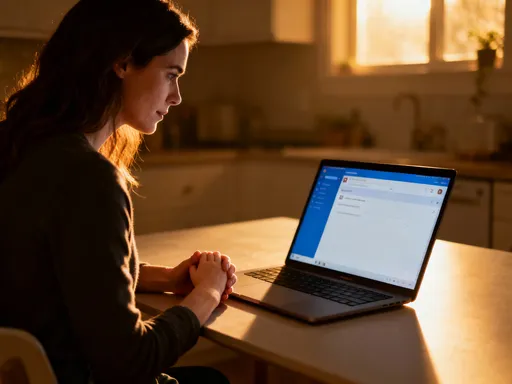
Picture this: it’s Sunday night, the kids are finally asleep, and you’re sitting at the kitchen table with a mug of coffee that’s gone cold. You open your email, and there it is—973 unread messages. Your stomach drops. Not because you don’t want to catch up, but because you feel overwhelmed, guilty, and strangely disconnected. You scroll past newsletters, automated receipts, and meeting invites, hoping to spot something personal—maybe a note from your sister, a message from your best friend from college, or a photo from your parents. But it’s buried somewhere in the avalanche.
I used to live like this. Every time I opened my inbox, it felt like a mirror reflecting all the ways I was failing—failing to keep up, failing to show up, failing to be the kind of person who remembers to reply. I missed my cousin’s birthday because her email got lost in a sea of promotional codes. I didn’t respond to my brother’s update about his new job for three weeks, and when I finally did, he said, ‘No worries, I know you’re busy.’ But the truth? I wasn’t that busy. I was just buried.
What I didn’t realize then was that a cluttered inbox isn’t just a productivity problem—it’s an emotional one. Each unread message from someone you love starts to carry weight. It’s not just about logistics; it’s about care. When we ignore those messages, even unintentionally, we send a quiet signal: ‘You’re not a priority.’ And over time, those signals add up. Friendships fade. Family bonds stretch thin. We tell ourselves we’ll reply ‘when things calm down,’ but that moment never comes. The inbox becomes a graveyard of good intentions, and we start to dread opening it altogether.
That’s when I realized something had to change—not just how I managed my email, but how I thought about it. Because email isn’t just a tool for work. It’s one of the few places where real human connection still happens in writing. A message from your daughter at college. A check-in from your mom. A funny meme your best friend sends just because. These aren’t tasks. They’re gifts. And when we let them drown in noise, we’re not just missing emails—we’re missing moments.
How I Discovered That Email Tools Could Do More Than Sort
For years, I tried all the usual fixes. I set up filters. I unsubscribed from newsletters. I even tried the ‘inbox zero’ method, only to watch my count climb back to the hundreds by Tuesday. Nothing stuck. I was still missing the messages that mattered. Then, last spring, I stumbled on an email app that worked differently. Instead of just sorting messages by sender or subject, it focused on people—specifically, the people I cared about most.
At first, I was skeptical. Another app? Another promise? But within days, I noticed something unusual: when my mom emailed, her message popped up with a little photo of her next to the subject line. When my best friend sent a long update about her move across the country, it was labeled ‘Personal Priority’ and moved to the top. Even better? The app gently reminded me if I hadn’t replied to someone in over a week—especially if it was a close contact going through a tough time.
This wasn’t about speed or efficiency. It was about intentionality. The tool didn’t try to make me respond to everything—it helped me respond to the right things. I started noticing patterns. I replied to my sister within hours, not days. I remembered to send a quick note to my nephew on his first day of middle school. And for the first time in years, I didn’t feel guilty when I opened my inbox. Instead, I felt… connected.
What made this different was the shift in mindset. I wasn’t using the app to ‘get things done.’ I was using it to stay close. It wasn’t a productivity hack—it was a relationship helper. And slowly, I began to see my inbox not as a chore, but as a space where love and care could live, even in the middle of a busy day.
Designing an Inbox That Reflects Your Relationships
One of the most powerful features of this tool was how it reorganized my contacts—not by job title or company, but by emotional closeness. It asked me early on to label people: family, close friends, casual acquaintances, work colleagues. Then, it used that information to shape how messages appeared. A work email from my boss still showed up, but it didn’t push aside a note from my daughter.
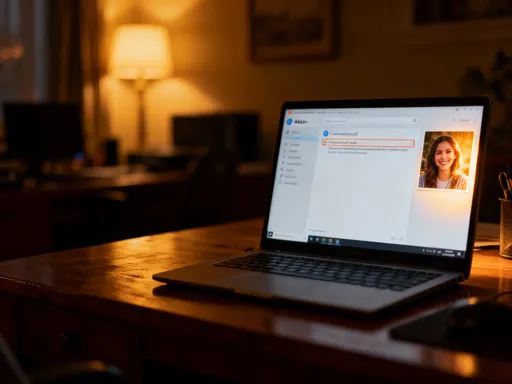
Now, when my sister emails, her face appears in a small circle next to the message. If my cousin sends a photo from her trip to Portugal, it lands at the top of my inbox, even if it arrived during a busy workday. The system uses subtle design cues—like larger text for personal messages, gentle color highlights, and smart placement—to make sure the people I care about don’t get lost.
Let me walk you through a typical morning. I wake up, make coffee, and open my laptop. Instead of being greeted by a wall of unread messages, I see three things at the top: a photo message from my mom saying ‘Good morning, sweetheart,’ a short note from my best friend checking in after her doctor’s appointment, and a reminder that I haven’t replied to my brother’s email from two days ago. Everything else—newsletters, receipts, work updates—waits quietly below.
This small shift changed everything. I no longer have to dig for the messages that matter. They find me. And because they’re presented in a warm, human way—photos, familiar names, gentle nudges—they don’t feel like tasks. They feel like invitations. ‘Hey, this person thought of you. Would you like to think of them back?’ It’s not flashy or dramatic. But day after day, it adds up to something deeper: a sense of being seen, and of seeing others.
The Quiet Power of Timely, Thoughtful Replies
Before this tool, replying to personal emails felt like something I’d do ‘when I had time.’ But that time never came. Now, I reply quickly—not because I have more time, but because the app makes it easy to notice and act. It doesn’t write the message for me. It just creates the space for me to be present.
Take last month, for example. A dear friend emailed me about her mother’s health scare. The message arrived on a Friday afternoon, buried under a dozen work updates. But the app flagged it as high emotional importance—she’s someone I’ve marked as ‘close friend’—and sent me a soft reminder the next morning: ‘You haven’t replied to Sarah’s message. Would you like to send a quick note?’ I did. Just three sentences: ‘I’m so sorry you’re going through this. I’m here for you. Let me know if you’d like to talk.’ She wrote back within an hour, saying how much it meant that I’d reached out so soon.
That moment stayed with me. It wasn’t a grand gesture. But it mattered. And it made me realize how often we underestimate the power of a timely reply. A quick ‘thinking of you’ message. A simple ‘I saw this and thought of you.’ These small acts of attention don’t take long, but they build trust, warmth, and connection over time. They say, ‘You’re not alone. I’m listening. I care.’
The app doesn’t force me to reply to everyone. It just helps me notice when someone I love might need a little extra care. And that makes all the difference. Because connection isn’t about quantity—it’s about quality. It’s not about writing long emails every day. It’s about showing up, consistently, in ways that feel real.
Balancing Work and Life Without Letting One Drown the Other
One of my biggest frustrations used to be how work emails bled into my personal time. I’d open my inbox at 8 p.m., only to be hit with an urgent client request that would derail my evening. Meanwhile, a sweet message from my dad checking in about my garden would sit unnoticed at the bottom. It felt unfair—like the loudest, most urgent messages always won, even if they weren’t the most important.
The tool changed that by creating a clearer boundary. Work emails still come in, but they’re grouped separately and don’t interrupt personal messages. I can choose when to check them—during work hours, not while I’m winding down with a book or helping my daughter with homework. At the same time, personal messages from family and close friends are protected. They don’t get buried just because they’re not marked ‘urgent.’
Another feature I love is ‘connection time’—a scheduled 15-minute window each evening when the app gently reminds me to check in on personal messages. It’s not a demand. It’s an invitation. And because it’s built into my routine, I actually do it. I’ve started replying to my niece’s school updates, sending quick thank-yous to friends who’ve supported me, and even rekindling a long-distance friendship I’d let fade.
This isn’t about working less. It’s about protecting what matters. My emotional bandwidth is limited. So is my time. And I’ve learned that just because something is urgent doesn’t mean it’s important. The tool helps me honor that difference. It doesn’t silence work—it just makes sure that love and care don’t get drowned out by noise.
Teaching the Tool to Know What (and Who) Matters Most
No system is perfect from the start. What made this tool truly work for me was the ability to train it—over time, I taught it who mattered most, which messages deserved attention, and which ones I could safely ignore. At first, it sent me reminders for newsletters and low-priority updates. But as I marked certain contacts as ‘priority’ and archived others, it learned.
I remember one moment early on: the app nudged me to reply to a message from a woman I hadn’t spoken to in years—a former coworker who’d sent a generic ‘catching up?’ note. I realized the system needed my guidance. So I adjusted the settings, told it to prioritize people I’d marked as family or close friends, and reduced reminders for casual contacts. Over time, it got smarter. Now, it knows that a message from my sister is worth a nudge, but a promotional email from a store I rarely visit isn’t.
This training process wasn’t just about the app learning me—it was about me learning myself. As I labeled people and adjusted settings, I had to ask: Who do I really want to stay close to? What kind of relationships do I want to nurture? The tool became a mirror, reflecting my values back at me. And in that reflection, I found clarity.
It’s not magic. It’s a collaboration. The technology learns from my choices, and I learn to be more intentional. Together, we keep the connections that matter alive—not by doing more, but by focusing on what’s truly important.
How My Inbox Became a Mirror of My Values
Today, my inbox feels different. It’s not just organized—it’s meaningful. Opening it no longer brings dread, but a quiet sense of connection. The people I care about are visible. Their messages are honored. I reply faster, not because I’m more efficient, but because I care more—and the tool helps me act on that care.
This shift has changed more than my email habits. It’s changed how I see technology. I used to think of apps and tools as cold, mechanical things—designed for speed, not soul. But this experience showed me that when technology is built with emotional intelligence, it can actually help us be more human. It can help us listen better, love more consistently, and show up for the people who matter.
I don’t need to be perfect. I still miss the occasional message. But now, when I do, it’s not because I didn’t care—I just got busy. And that’s okay. What matters is that I’m trying. That I’ve created a system that supports my values, not fights against them.
So if you’re sitting there with a full inbox and a heavy heart, know this: it doesn’t have to stay that way. You don’t have to choose between staying on top of things and staying close to people. With the right tool—and the right mindset—your inbox can become a bridge, not a barrier. It can be a place where love lives, where care shows up, and where you get to say, every day in small ways: ‘You matter to me.’ And really mean it.