What I Wish I Knew Earlier About Aging Well Without the Hype
Aging isn’t the problem—our approach to it often is. I used to chase quick fixes, from trendy supplements to extreme routines, only to feel more tired and frustrated. Over time, I learned that true anti-aging isn’t about looking younger, but feeling better, moving freely, and enjoying life daily. It’s not magic—it’s choices. This is what I discovered after years of missteps, myths, and real changes that actually made a difference in my energy, mood, and overall quality of life. The journey wasn’t about reversing time, but about respecting it, listening to my body, and making small, consistent decisions that added up to real vitality. What follows is not a miracle plan, but a truthful one—rooted in science, experience, and the quiet wisdom of living long enough to learn.
The Myth of “Anti-Aging” – Redefining What Really Matters
The term “anti-aging” carries powerful emotional weight. It suggests a battle—one in which wrinkles, fatigue, and stiffness are the enemy. But this mindset sets people up for disappointment, because aging itself is not a disease to be cured. It is a natural, inevitable process that begins at birth and continues with every passing year. The real issue lies not in aging, but in how modern culture frames it as something to resist at all costs. Advertisements promise youth restoration, clinics sell procedures as solutions, and social media floods feeds with images of flawlessness. These messages shift focus away from health and toward appearance, creating a cycle of comparison and dissatisfaction.
What truly matters is not how young you look, but how well you function. The ability to play with grandchildren without back pain, to climb stairs without catching your breath, or to remember names during conversations—these are the markers of successful aging. Research consistently shows that functional health, including mobility, cognitive clarity, and emotional balance, correlates more strongly with life satisfaction than any cosmetic standard. When energy levels are stable, joints move easily, and sleep is restful, people report greater joy and engagement in daily life. These outcomes are not achieved by fighting time, but by supporting the body’s natural systems through thoughtful habits.
The emotional toll of prioritizing appearance over function can be significant. Many women in their 40s, 50s, and beyond report feeling invisible or inadequate when they no longer fit narrow beauty ideals. This can lead to anxiety, low self-worth, and even social withdrawal. Shifting the goal from “looking younger” to “feeling stronger” fosters a more compassionate relationship with oneself. It encourages appreciation for what the body can do, rather than fixation on how it looks. This mental shift is foundational—without it, even the most effective health practices may feel like obligations rather than gifts.
Pitfall #1: Obsessing Over Skin Deep Solutions
One of the most common missteps in the pursuit of healthy aging is the overinvestment in topical solutions. Creams, serums, and cosmetic treatments dominate the market, promising smoother skin, fewer lines, and a “lifted” appearance. While some products can offer mild improvements, they often distract from the deeper biological processes that influence how we age. Skin reflects internal health, and no amount of retinol or hyaluronic acid can compensate for poor nutrition, dehydration, or chronic stress. The obsession with surface-level fixes can lead to spending heavily on products with minimal long-term impact, while neglecting the habits that truly support skin vitality.
Skin aging is influenced by both intrinsic and extrinsic factors. Intrinsic aging is genetic and gradual, involving the natural slowdown of collagen production and cell turnover. Extrinsic aging, however, is driven by environmental exposure—especially ultraviolet (UV) radiation from the sun, pollution, and lifestyle choices like smoking or poor diet. Studies show that up to 90% of visible skin changes are due to sun exposure, making daily sun protection one of the most effective anti-aging tools available. Wearing broad-spectrum sunscreen with SPF 30 or higher, even on cloudy days, significantly reduces photoaging and lowers the risk of skin damage over time.
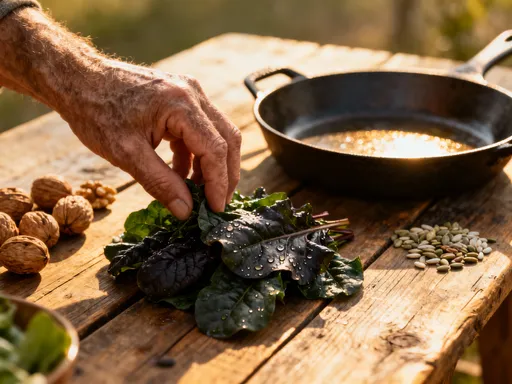
Beyond sun protection, hydration and internal nutrition play critical roles in maintaining skin elasticity and tone. The skin is the body’s largest organ, and it relies on adequate water intake and essential nutrients to function properly. Omega-3 fatty acids, found in fatty fish, flaxseeds, and walnuts, help maintain the skin’s lipid barrier, reducing dryness and inflammation. Antioxidants like vitamin C and E, abundant in citrus fruits, berries, and nuts, protect against oxidative stress caused by free radicals. Rather than layering on expensive serums, focusing on a diet rich in whole foods, staying hydrated, and protecting skin from the sun delivers more sustainable, holistic results. These habits don’t erase time, but they do support the skin’s natural resilience.
Pitfall #2: Ignoring the Power of Movement
Sedentary behavior is one of the most underrecognized accelerators of aging. The human body is designed to move, and when physical activity declines, so do strength, flexibility, and metabolic efficiency. Prolonged sitting has been linked to increased risks of cardiovascular disease, insulin resistance, and muscle atrophy—all of which contribute to premature aging. Yet, many women over 40 fall into routines that involve long hours at a desk, limited walking, and minimal structured exercise. The belief that intense workouts are the only way to stay fit can be discouraging, leading some to avoid movement altogether. But the truth is, consistent, low-impact activity offers profound benefits without requiring a gym membership or athletic background.
Walking is one of the most accessible and effective forms of movement for healthy aging. Just 30 minutes a day at a moderate pace can improve circulation, support joint health, and enhance mood through the release of endorphins. Over time, regular walking strengthens the heart, helps regulate blood sugar, and maintains bone density. Stretching, another simple practice, preserves range of motion and reduces stiffness. Gentle yoga or daily mobility exercises can prevent the “tightening up” that many associate with getting older. Strength training, even with light resistance bands or body weight, is essential for maintaining muscle mass, which naturally declines after age 30. Preserving muscle supports metabolism, balance, and independence in later years.
The key is consistency, not intensity. Small, daily movements add up. Taking the stairs instead of the elevator, parking farther from store entrances, or doing standing stretches during TV commercials all contribute to a more active lifestyle. The goal is not to achieve a certain look, but to maintain the ability to live fully. Movement is not just physical—it’s emotional and cognitive too. People who stay active report better sleep, sharper thinking, and greater emotional resilience. By reframing exercise as self-care rather than punishment, it becomes easier to sustain over decades. The body responds not to occasional bursts of effort, but to the steady rhythm of daily motion.
Pitfall #3: Falling for Supplement Hype
The supplement industry is a multi-billion-dollar market fueled by promises of quick fixes and miracle results. From collagen powders to “youth-boosting” blends, shelves are filled with products claiming to slow aging, boost energy, or reverse damage. However, the reality is that most supplements are not regulated with the same rigor as pharmaceuticals, and their claims are often not backed by strong scientific evidence. Many women invest significant money in pills and powders, only to see little to no benefit. Worse, some supplements can interact with medications or cause side effects when taken in excess. The belief that a single pill can compensate for lifestyle gaps is not only misleading but potentially harmful.
That said, certain nutrients do play essential roles in healthy aging, and deficiencies can accelerate physical decline. Vitamin D, for example, supports bone health, immune function, and mood regulation. Many adults, especially those with limited sun exposure, have low levels and may benefit from testing and supplementation under medical guidance. Omega-3 fatty acids, as mentioned earlier, support heart and brain health. Magnesium contributes to muscle function, sleep quality, and stress management. B vitamins are involved in energy production and neurological health. These nutrients matter—but the best source is typically food, not a bottle.
A food-first approach ensures that nutrients are absorbed in their most natural, bioavailable forms, along with other beneficial compounds like fiber and phytonutrients. Fatty fish like salmon provide omega-3s along with high-quality protein. Leafy greens offer magnesium and vitamin K, crucial for bone strength. Eggs contain choline, important for brain function. Whole grains, legumes, and nuts deliver B vitamins and sustained energy. When dietary intake is insufficient, targeted supplementation under the supervision of a healthcare provider can be appropriate. But the foundation must be a balanced, varied diet. Instead of chasing the latest supplement trend, the wiser choice is to build meals around whole, nutrient-dense foods that nourish the body from within.
Pitfall #4: Underestimating Sleep and Stress
Sleep and stress are two of the most powerful yet overlooked influences on aging. Chronic sleep deprivation and unmanaged stress trigger a cascade of physiological changes that accelerate aging at the cellular level. When sleep is poor, the body produces more cortisol, the primary stress hormone. Elevated cortisol over time increases inflammation, disrupts blood sugar regulation, and breaks down muscle tissue. It also impairs cognitive function, weakens immunity, and contributes to weight gain, particularly around the abdomen. These effects create a feedback loop—stress disrupts sleep, and poor sleep increases stress—making it harder to break free without intentional habits.
Quality sleep is essential for cellular repair, memory consolidation, and hormonal balance. During deep sleep, the body releases growth hormone, which supports tissue regeneration and muscle recovery. Sleep also helps clear metabolic waste from the brain, a process linked to long-term cognitive health. Adults over 40 often experience changes in sleep architecture, including lighter sleep and more nighttime awakenings. While some of this is natural, it can be worsened by lifestyle factors like caffeine intake, screen use before bed, or irregular schedules. Creating a consistent bedtime routine—such as dimming lights, avoiding screens an hour before sleep, and practicing relaxation techniques—can significantly improve sleep quality.
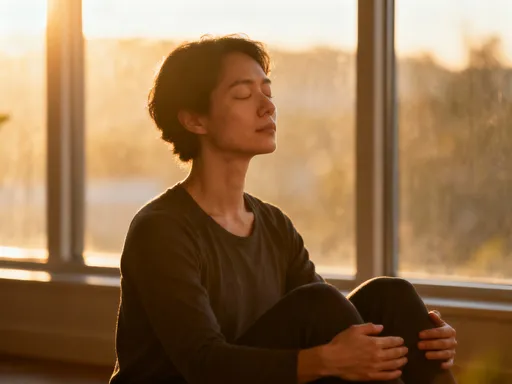
Similarly, managing stress is not a luxury but a necessity for healthy aging. Chronic stress has been linked to shortened telomeres, the protective caps on chromosomes that are considered a biological marker of aging. Shorter telomeres are associated with increased risk of age-related diseases. Practices that promote relaxation—such as deep breathing, meditation, journaling, or spending time in nature—help regulate the nervous system and reduce cortisol levels. Even 10 minutes of mindful breathing each day can shift the body from “fight-or-flight” mode to a state of calm. These habits do not eliminate life’s challenges, but they build emotional resilience, allowing for greater clarity and balance in the face of them.
The Real Anti-Aging Toolkit – Daily Habits That Add Up
True aging well is not about dramatic transformations or extreme measures. It is about the quiet accumulation of small, sustainable choices that support long-term health. The real anti-aging toolkit is not found in a boutique or online store, but in everyday routines: what you eat, how you move, how you rest, and how you manage your thoughts. These habits work together, creating a foundation of resilience that allows the body and mind to thrive across the decades. Perfection is not the goal—consistency is. Missing a walk or eating a less-than-ideal meal is not failure; it’s part of being human. What matters is returning to the practices that nurture well-being, day after day.
A balanced eating pattern includes a variety of colorful vegetables, lean proteins, whole grains, healthy fats, and plenty of water. Meals should be satisfying and enjoyable, not restrictive or punishing. Movement should be integrated naturally—walking the dog, gardening, dancing in the kitchen—so it feels like part of life, not an obligation. Rest involves both quality sleep and moments of stillness during the day, whether through a short nap, a quiet cup of tea, or a few minutes of stretching. Mindfulness practices, such as gratitude journaling or focused breathing, help cultivate emotional balance and reduce mental clutter.
Relatable examples illustrate how small changes yield meaningful results. A woman who begins walking 20 minutes each morning may notice improved digestion, better sleep, and a brighter mood within weeks. Another who swaps processed snacks for fruit and nuts may find her energy more stable and her cravings reduced. Someone who sets a bedtime alarm to unplug from screens might fall asleep faster and wake feeling more refreshed. These shifts are not flashy, but they are powerful. Over time, they build a life of greater ease, strength, and joy. The cumulative effect of daily care is far more impactful than any single intervention, no matter how trendy.
Aging Forward – Embracing Time With Strength and Joy
Aging does not have to mean decline. When approached with intention and care, it can be a phase of growth, wisdom, and deepening fulfillment. The body changes, yes—but so does perspective. With time comes the ability to prioritize what truly matters, to release perfectionism, and to appreciate the present moment. The goal is not to stop the clock, but to live well within its passage. Women who focus on health rather than hype often find that their later years are among the most vibrant, not because they look younger, but because they feel stronger, more grounded, and more connected to themselves.
Improved quality of life is the true measure of successful aging. It shows up in the ability to travel without fatigue, to engage in hobbies with enthusiasm, and to maintain independence and confidence. It is reflected in emotional stability, the capacity to adapt to change, and the joy found in simple pleasures—a good conversation, a warm cup of tea, a walk in the sunlight. These experiences are not dependent on appearance, but on the internal state of well-being cultivated through mindful choices. Each healthy habit, no matter how small, is a form of self-respect—a quiet promise to honor the body and mind through time.
There is no one-size-fits-all path to aging well. Genetics, environment, and personal history all play a role. What matters most is taking steps that align with individual needs and values. Consulting with healthcare professionals—doctors, registered dietitians, physical therapists—can provide personalized guidance and ensure safety, especially when managing chronic conditions. The journey is not about achieving flawlessness, but about progress, presence, and purpose. By letting go of unrealistic expectations and embracing the reality of aging with kindness and action, it becomes possible to move forward not with fear, but with strength and joy. That is the kind of aging worth striving for.