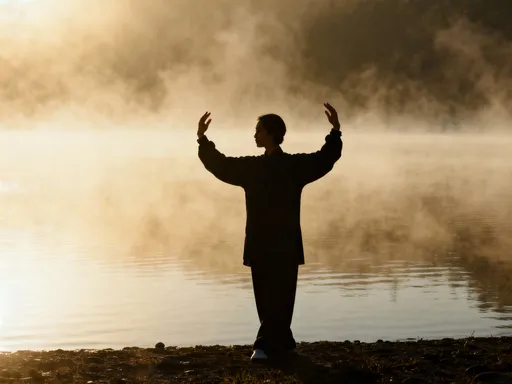
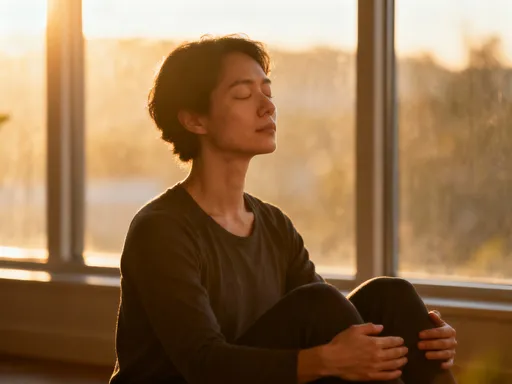
How I Found My Rhythm with Yoga and TCM Wisdom
For years, I felt out of sync—tired even after sleep, stressed without reason, and disconnected from my body. Then I discovered how traditional Chinese medicine and yoga meditation could work together to restore natural balance. It’s not about perfection, but rhythm. This is how I aligned my energy, calmed my mind, and finally listened to what my body was trying to say. What began as a quiet experiment—five minutes of breathing in the morning, a few stretches before bed—slowly transformed into a deeper understanding of my own physiology and emotional tides. I learned that health isn’t just the absence of illness; it’s the presence of flow. And flow, as it turns out, can be cultivated.
The Problem: Living Out of Rhythm
Modern life moves fast, often at odds with the quiet, steady pulse of our biology. Many women in their 30s, 40s, and 50s report feeling chronically tired despite sleeping eight hours, irritable without cause, or overwhelmed by tasks that once felt manageable. These are not simply signs of aging or busyness—they are signals of a deeper misalignment. In traditional Chinese medicine (TCM), the body operates on a 24-hour rhythm known as the organ clock, where each organ system is most active during a two-hour window. For example, the liver’s peak time is between 1 a.m. and 3 a.m., a period when deep detoxification should be occurring. If you’re awake or stressed during this time, the process is disrupted, potentially leading to fatigue, hormonal imbalance, or emotional unrest.
TCM teaches that health depends on the smooth flow of qi (vital energy) through a network of pathways called meridians. When qi becomes blocked or depleted—due to poor sleep, emotional strain, or irregular eating habits—the body loses its rhythm. This disharmony often manifests as what Western medicine might label as stress, insomnia, or digestive discomfort. But in TCM, these are early warnings, not endpoints. The body is speaking, but we’ve grown too loud to hear it. Many women unknowingly live in a constant state of yang excess—overstimulated, over-scheduled, and under-rested—while their yin energy, which supports restoration and calm, becomes depleted.
The result is a cycle of burnout masked as productivity. You push through fatigue, ignore hunger cues, and suppress emotions until they surface as tension, headaches, or sleep disturbances. The irony is that the very tools we use to stay efficient—screens, caffeine, multitasking—often deepen the imbalance. Without intentional pauses, the body cannot reset. Over time, this chronic disruption weakens the immune system, affects digestion, and clouds mental clarity. The good news? Rhythm can be restored. It begins not with drastic changes, but with awareness—recognizing when your body is asking for stillness, nourishment, or release.
Yoga Meditation as a Reset Button
Yoga meditation is more than physical exercise; it’s a system designed to harmonize body, breath, and mind. Unlike high-intensity workouts that can further stress an already taxed nervous system, gentle yoga and mindful breathing activate the parasympathetic nervous system—the body’s “rest and digest” mode. This shift is essential for restoring rhythm. When you practice slow, conscious breathing, you send a signal to the brain that it’s safe to relax. Heart rate slows, blood pressure stabilizes, and mental chatter begins to quiet. Over time, this practice retrains the body to respond to stress with resilience rather than reactivity.
One of the most accessible tools is diaphragmatic breathing, also known as belly breathing. When done correctly, the breath expands the lower abdomen rather than the chest, engaging the diaphragm fully and massaging internal organs. This type of breathing improves oxygen exchange, supports lymphatic drainage, and calms the nervous system. A simple practice: lie down or sit comfortably, place one hand on the belly, and inhale deeply through the nose, allowing the abdomen to rise. Exhale slowly through the mouth, feeling the belly fall. Repeat for five to ten minutes. This practice can be done upon waking, before bed, or during moments of tension.
Equally effective are gentle movement sequences like sun salutations, which combine breath with flowing postures. These sequences warm the body, improve circulation, and create a moving meditation. They don’t require flexibility or experience—just intention. Starting with just three rounds in the morning can help synchronize your internal clock with the natural rise of daylight. The key is consistency, not duration. Even five minutes a day can begin to shift your energy. Over time, you may notice that your sleep deepens, your mood stabilizes, and your ability to focus improves. These changes are not coincidental—they are the body returning to its natural rhythm.
What TCM Teaches About Energy Flow
At the heart of traditional Chinese medicine is the belief that health is a state of balance. This balance is maintained through the continuous flow of qi along pathways called meridians, each connected to specific organs and functions. When qi flows freely, the body thrives. When it’s blocked or deficient, discomfort arises. TCM identifies five primary elements—wood, fire, earth, metal, and water—each associated with particular organs, emotions, and seasons. For example, the liver (wood element) governs smooth flow and is linked to anger when imbalanced, while the spleen (earth element) supports digestion and is sensitive to overthinking.
These elements interact in a dynamic cycle, supporting and regulating one another. A disruption in one affects the whole. For instance, chronic stress can overactivate the liver, which in turn may impair the spleen’s ability to process food and nutrients, leading to bloating or fatigue. TCM doesn’t isolate symptoms; it looks at patterns. A woman experiencing afternoon fatigue, digestive issues, and mild anxiety may not have three separate problems—she may have an earth-element imbalance rooted in overwork and poor dietary habits.
Prevention is central to TCM philosophy. Rather than waiting for illness to appear, the focus is on maintaining harmony through daily habits. This includes eating warm, cooked foods to support digestion, going to bed early to honor the body’s natural repair cycles, and managing emotions before they become chronic. TCM also emphasizes the importance of seasonal living—eating foods that grow in your current season, adjusting activity levels with the weather, and recognizing that energy naturally waxes and wanes throughout the year. These principles aren’t mystical; they’re deeply practical, rooted in centuries of observation and refinement.
Merging Two Worlds: Yoga Meets TCM
When yoga and TCM are practiced together, they create a powerful synergy. Yoga postures can be selected not just for flexibility or strength, but for their ability to support meridian flow. For example, twisting poses like seated spinal twist gently compress and release the liver and gallbladder, organs associated with the wood element and active between 1 a.m. and 3 a.m. Practicing these poses in the evening or early morning may enhance the body’s natural detoxification processes. Similarly, forward bends such as child’s pose calm the nervous system and support kidney energy, which in TCM governs vitality and is linked to the water element.
Breathwork in yoga also aligns with TCM principles. Nadi shodhana, or alternate nostril breathing, is said to balance the left and right hemispheres of the brain and regulate the flow of qi. In TCM, this corresponds to harmonizing yin and yang energies. Practicing this for just five minutes daily can help stabilize mood and improve mental clarity. Even simple poses like legs-up-the-wall stimulate the kidney and bladder meridians, encouraging fluid drainage and supporting the body’s natural rhythms.
Timing your practice according to the organ clock can deepen its effects. For instance, practicing gentle liver-supportive poses between 1 a.m. and 3 a.m. isn’t practical for most, but doing so in the evening—when the body begins its wind-down phase—can prepare the liver for its nighttime work. Similarly, the spleen and stomach are most active between 7 a.m. and 9 a.m., making this an ideal time for a light breakfast and gentle movement to kickstart digestion. By aligning your yoga practice with these natural cycles, you work with your body rather than against it.
Simple Daily Routines That Actually Work
Transforming your health doesn’t require hours of practice or expensive tools. Lasting change comes from small, consistent actions woven into daily life. A simple morning routine might begin with sitting up in bed and taking ten slow, deep breaths—inhaling through the nose, exhaling through the mouth. This signals to the body that a new day has begun and gently activates the digestive system. Follow this with a glass of warm water, a TCM-recommended habit that supports stomach function and helps flush toxins.
Then, spend five minutes in gentle movement: cat-cow stretches to awaken the spine, a few sun salutations to circulate energy, or simply standing and reaching the arms overhead while breathing deeply. These movements need not be perfect—just present. In the evening, shift toward calming practices. Turn off screens an hour before bed, sip a cup of caffeine-free herbal tea, and do three to five minutes of diaphragmatic breathing. You might also observe your tongue in the mirror each morning—a TCM practice that offers insight into internal balance. A pale tongue may suggest qi deficiency, while a thick coating could indicate digestive sluggishness.
Another key habit is honoring the body’s need for rest during peak yin hours—between 11 p.m. and 3 a.m., when the body repairs tissues and processes emotions. Going to bed by 10:30 p.m. ensures you’re in deep sleep during this critical window. If you wake during this time, instead of reaching for your phone, try placing a hand on your lower abdomen and breathing slowly until you drift back to sleep. These practices are not rigid rules but gentle invitations to listen. The goal is not perfection, but presence—showing up for yourself in small, meaningful ways every day.
Real Shifts: What Changed for Me
When I first began this journey, I didn’t expect dramatic changes. I simply wanted to feel less tired. Over time, though, subtle shifts accumulated into real transformation. My sleep became deeper and more restorative. I no longer woke at 3 a.m. with a racing mind—I now understand that was my liver struggling under emotional strain. My digestion improved, and I noticed I could eat foods that once caused discomfort without issue. Mood swings became less frequent, not because life became easier, but because my body had more resilience.
I also became more attuned to my energy cycles. I learned to schedule demanding tasks during my peak yang hours—late morning to early afternoon—when my focus was sharpest. I reserved quieter activities for the afternoon, when energy naturally dips. I stopped pushing through fatigue and began honoring my need for rest. This didn’t make me less productive; it made me more sustainable. I still have off days—times when stress overrides routine or sleep is disrupted. But now, instead of spiraling, I return to my breath, to my body, to the rhythm I’ve cultivated.
The most profound change has been in my relationship with myself. I no longer see my body as something to manage or fix, but as a wise companion offering daily guidance. When I feel sluggish, I check my sleep and hydration. When I feel anxious, I pause and breathe. These are not grand gestures, but quiet acts of self-respect. Healing, I’ve learned, is not a destination. It’s a series of small returns—to breath, to balance, to listening.
Sustaining Your Natural Rhythm Long-Term
Maintaining rhythm isn’t about rigid adherence to a routine. It’s about adaptability. As women age, especially through perimenopause and beyond, energy patterns shift. What worked at 35 may not serve at 50. The key is to stay curious and responsive. In winter, you may need more rest and warmer foods; in summer, lighter meals and more movement. Some days call for vigorous yoga, others for a five-minute breathing session. The practice evolves with you.
It’s also important to release the pressure of perfection. Missing a morning routine or eating late doesn’t erase progress. Balance is not a fixed state—it’s a continuous adjustment. The body forgives inconsistency when met with kindness. Instead of forcing yourself into a mold, ask: What does my body need today? That simple question, repeated over time, builds deep self-trust.
Over the years, this approach has become less of a practice and more of a way of being. I no longer chase energy—I cultivate it. I don’t fight stress—I respond to it with tools that restore calm. And I’ve learned that harmony isn’t something you achieve; it’s something you return to, again and again. The rhythm is always there, beneath the noise. It hums in your breath, pulses in your blood, and whispers in the quiet moments between thoughts. All it asks is that you listen.
Healing isn’t loud. It doesn’t come with fanfare or dramatic breakthroughs. It’s the soft return to breath when anxiety rises. It’s choosing warm soup over cold salad on a rainy day. It’s lying down when your body says rest. These choices, repeated over time, weave a life of balance. And in that balance, there is strength—not the kind that shouts, but the kind that endures.